
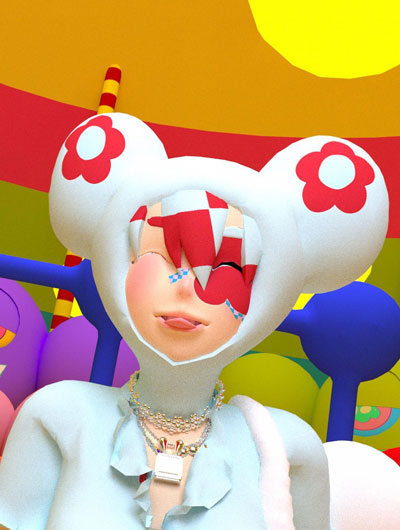
yameii
Yameii Online is a virtual music persona known in the music and entertainment industries. With a growing presence on Bandcamp and major streaming platforms, Yameii Online has built a strong connection with audiences through a unique blend of hyperpop, experimental hip-hop, and electronic pop. As a Vocaloid-style avatar created with CGI and vocal synthesis technology, Yameii Online offers innovative ways for brands to engage audiences across virtual performances, live immersive events, and metaverse-adjacent experiences.
-
Language:
English
-
Role:
Rapper
-
Country:
United States
-
Industry:
Music
Overview & Mission
Yameii Online is a transmedia virtual music persona that emerged from the OseanWorld creative universe and has been presented publicly as a pastel-colored avatar and vocaloid-style performer whose output blends hyperpop, hip-hop, and experimental electronic production. The character’s public catalog and profile emphasize music-first activity — full releases and singles available on streaming platforms and a dedicated Bandcamp page where multiple tracks and the album CANDY were released — which positions Yameii chiefly as a recording and performing artist rather than a purely marketing-focused influencer. Reporting from music and culture outlets has highlighted an explicit intention to merge IRL show experiences, holographic or animated staging, and online social presence, framing Yameii as a bridge between emergent virtual performance methods and conventional music release cycles. Sources documenting these aims include mainstream music platform listings and culture reporting that describe both recorded output and live immersive events, indicating a mission to expand how virtual artists tour, interact with fans, and monetize work through streaming, direct sales, and experiential shows. The persona’s public-facing messaging and creative rollout suggest an ongoing goal to operate across the music, entertainment, and metaverse spaces simultaneously, combining song releases with avatar-driven storytelling and community engagement. Evidence for this cross-platform, music-led mission appears on Bandcamp where releases are sold directly, on digital music services with artist pages, and in press coverage describing immersive live presentations and metaverse-adjacent projects.
From a practical standpoint, Yameii Online’s mission reads as both creative and demonstrative: to show how a fictional, avatar-led performer can build a real fanbase, release commercially available music, and headline live or hybrid events while retaining the aesthetic and narrative freedoms of a virtual character. The manifesto-like aspects of the project are visible in how releases are presented — often using stylized punctuation, emoji-like characters, and a cyberpunk-influenced visual language on platforms such as Bandcamp and Instagram — reflecting an intention to cultivate a distinctive cultural identity rather than only delivering isolated singles. Coverage in cultural outlets has underscored this ambition by describing how the project stages immersive performances and invites real-world attendance, which demonstrates an operational mission to test new formats of audience engagement where the virtual and physical intersect. The public evidence therefore supports reading Yameii as a practical experiment in transmedia music careers: the character releases songs, performs in staged events with holographic or animated elements, and participates in the broader conversation about virtual musicianship and metaverse culture. These conclusions are drawn from music platform listings, dedicated Bandcamp releases, and reportage on live presentations and community activity.
While Yameii’s public materials emphasize music and spectacle as core aims, the available documentation also shows an intent to participate in fandom-driven economies and community platforms that sustain modern indie music projects. The Bandcamp catalog and streaming pages indicate a direct-to-fan sales strategy alongside presence on major streaming services, which points to a dual revenue approach combining streaming income with direct purchases, merch and possibly patronage models referenced by related project pages and community posts. Press profiles and virtual-human databases have described the project’s integration with broader OseanWorld storytelling, which further suggests that mission goals include expanding a shared fictional universe and exploring IP-driven opportunities such as collaborations, merchandising, and metaverse activations. Public mentions of NFTs and interactive digital events within the ecosystem have been made in culture reporting and specialized virtual-human directories, which indicates interest in contemporary Web3-adjacent experiments even if the precise commercial terms or NFT drops are not exhaustively documented in major outlets. Taken together, the publicly verifiable materials show Yameii Online operating as a music-first virtual persona with a mission to test and expand new routes for artist expression and fan monetization in virtual and hybrid contexts. Sources informing this description include Bandcamp, Apple Music artist information, and culture reporting on virtual performances.
Creator, Studio & Technical Pipeline
Public reporting and platform metadata consistently credit the project’s artistic and production leadership to the creative partnership of Osean (visual artist and world-builder) and Deko (producer and musical lead), with multiple reputable music service profiles and cultural articles identifying them as the principal creators behind the character. Apple Music’s artist description and a July 2022 feature in a culture outlet both state that Yameii Online was created by Deko and Osean, and those attributions are corroborated across several distribution and press listings that accompany the character’s releases and event promotions. In those sources, Deko is regularly identified as the primary music producer responsible for crafting backing tracks and arrangements, while Osean is credited with visual design, avatar direction, and world-building through the OseanWorld collective; this split of responsibilities is visible in credits on Bandcamp releases and in interviews and articles discussing the project’s live presentations. Community-run wikis and specialized virtual-human directories repeat this attribution, sometimes adding detail about collaborative roles and related characters in the OseanWorld narrative, though such community sources should be treated as supplementary to official platform credits and journalist reporting. Overall, the weight of public evidence supports a model in which a small creative team led by Osean and Deko combines music production, visual design, and narrative direction to create and sustain the Yameii Online persona across recorded releases and staged experiences.
Available materials also illuminate aspects of the project’s tooling and production methods, even when explicit technical pipelines are not exhaustively documented in public press. Reporting and platform descriptions make repeated reference to Vocaloid-style vocal production and to the use of avatar animation techniques for video and stage presentation; for example, descriptions of the persona’s ‘robotic’ or vocaloid-like singing and credits that reference Vocaloid voicebanks indicate the use of synthesized or manipulated vocals as a core stylistic choice. Visuals and live staging reported in culture media emphasize animated and holographic-like presentations, which implies a CGI and animation pipeline that may include 3D modeling, animation, motion capture or pre-rendered projection techniques; the precise software stack is not publicly enumerated in major outlets, but the observable deliverables — animated music videos, social media visuals, and holographic stage appearances — are consistent with common industry tools such as 3D modeling and real-time engines used by virtual performers. Bandcamp and distribution metadata attribute production credits where available, and press pieces describing immersive shows provide contextual evidence that the team blends music production, avatar animation, and stage projection technologies to produce both recorded and live outputs. These inferences arise from artist credits and reportage rather than direct technical whitepapers, and the documentation is strongest on creative authorship while remaining partial on the exact software or hardware used.
Beyond the named creators, the project exists within the broader OseanWorld project ecosystem, which appears in public sources as a collaborative world-building collective that hosts multiple virtual characters and creative outputs. Reporting and community documentation identify Yameii as a primary character in OseanWorld, and interviews and music credits link other performers and collaborators — including featured artists and production partners — across releases and live events. Deko’s public persona as a producer and the project’s habitual co-credits suggest an in-house model in which music and visual production are tightly coordinated, allowing for cohesive releases and cross-promotional live shows; this coordination is evident in event listings and in the integrated presentation of music releases on Bandcamp alongside animated imagery. While full staffing lists and corporate structures are not published in authoritative press materials, the public record consistently shows a creator-led project model anchored by Osean’s visual direction and Deko’s musical authorship, supported by collaborators when releases or shows require additional production or performance contributions. Sources for these statements include Apple Music artist notes, Bandcamp release credits, and culture reporting on the project’s events and collaborations.
Music, Persona, Visual Style, Performances & Brand Presence
Musically, Yameii Online’s releases sit at the intersection of hyperpop, experimental hip-hop, and electronic pop, with headline tracks such as ‘Baby My Phone’ becoming the project’s most recognizable single on streaming platforms and the Bandcamp discography showing multiple EPs and an album released across 2020–2023. Public record on music services confirms release dates and album listings — for example the single ‘Baby My Phone’ is listed with a January 2021 release date on major digital music platforms, and the album CANDY appears on Bandcamp with a March 2023 release — demonstrating a steady output of recorded work that complements social-media promotion and live activity. The sonic aesthetic frequently pairs bright, twinkly melodies with heavy low-end and stylized, slightly synthetic vocal timbres that reviewers and platform descriptions have likened to vocaloid-influenced or robotic singing; community and press commentary have attributed the voice production to Vocaloid voicebanks or similar voice synthesis/manipulation approaches in order to create a deliberately non-human yet emotionally resonant vocal presence. This musical positioning has been important for the character’s visibility on music-first discovery platforms and TikTok-style circulation, where distinctive timbres and meme-capable hooks often accelerate virality and streaming traction.
Visually and in persona, Yameii Online presents a cyber-kawaii aesthetic that fuses pastel anime-influenced design with futuristic and streetwear motifs, producing an idol-like avatar that leans on youth-oriented visual cues and internet-native typography. Bandcamp and social channels show consistent visual motifs — soft color palettes, stylized punctuation and emoji-like ornamentation, and a signature avatar design that acts as the project’s primary identity marker — which feeds both music video content and promotional imagery. Press coverage describing live appearances emphasizes animated or holographic staging that allows the avatar to ‘perform’ alongside human acts, and cultural reporting of a 2022 Los Angeles immersive show detailed the character appearing as an animated hologram and co-headlining a bill, which illustrates the team’s strategy of mixing IRL event production with avatar-driven performance. The persona’s public voice across platforms is often playful, enigmatic, and heavily stylized, intentionally blurring the line between fictional character narrative and artist marketing; this blend is consistent with virtual-idol traditions and contemporary digital-first music projects that treat persona and music as inseparable components of a unified creative offering.
On the collaboration and brand front, Yameii Online’s public footprint shows model activity across streaming platforms, direct sales on Bandcamp, social media engagement on Instagram and Twitter, and participation in hybrid live events that position the character as a partner for fashion, music, and metaverse-oriented projects. Coverage in music and culture press has noted the project’s immersive Los Angeles performance and associated festival-style billing, demonstrating that the character has been booked for event programming and live showcases in a manner similar to human artists. The character’s relationship to the OseanWorld creative collective further enables crossovers with other virtual characters and producers associated with the same world, creating natural opportunities for collaborative releases, remixes, and co-branded appearances. While explicit brand partnerships or sponsored campaigns are not exhaustively documented in major outlets, the project’s mix of music releases, live appearances, and direct-to-fan sales creates a platform-friendly structure for collaborations with fashion labels, music tech companies, and experiential event producers; this business-readiness is evident in how the character’s releases are distributed and in press descriptions of staged performances and metaverse-adjacent activity.
Finally, public documentation indicates that monetization and audience-engagement strategies for Yameii Online rely primarily on conventional music revenue channels bolstered by direct sales and experiential ticketing rather than opaque Web3-only monetization. Bandcamp shows purchasable tracks and album bundles, while presence on streaming services supports long-tail streaming income; press coverage of ticketed immersive shows indicates additional event revenue and visibility. Community pages and social descriptions also reference storefronts and Patreon-style support channels associated with the larger creative project, implying multiple complementary revenue streams that mirror indie music best practices while leveraging the distinctive IP value of a virtual persona. Where the public record mentions NFTs or metaverse projects, these are discussed in culture roundups and niche directories rather than as central, consistently documented revenue pillars, so the strongest confirmed income signals remain music sales, streaming, and event activity. Sources informing these points include Bandcamp release pages, streaming platform artist descriptions, and culture reporting on live events.

How Fashion Brands Are Embracing Virtual Models
In recent years, the fashion industry has moved beyond traditional photography and casting. A new wave of virtual models—computer-generated influencers and AI-crafted avatars—has entered campaigns, redefining what it means to...

Dubai Unveils $1 Million AI Film Award to Redefine Global Storytelling
Dubai, UAE – August 27, 2025 — Dubai has launched the world’s first $1 million Artificial Intelligence Film Award, a groundbreaking initiative that aims to position the city as a...

Hannah James Faces the Future With Her Digital Twin
Fashion model Hannah James, 25, has spent a decade building her career in Los Angeles. This year, she made a bold move that could define the next chapter of modeling:...

Top Celebrities and Influencers Who Created Virtual Clones of Themselves
The world of entertainment and social media is moving into a new era—an era where celebrities and influencers are no longer limited by time, space, or even their physical presence....

Who Is the Highest-Earning Virtual Influencer?
Lu of Magalu, Brazil’s most famous digital personality, has become the world’s top-earning virtual influencer. In 2024, she made more than 2.5 million dollars—almost 40 times the yearly income of...

VTubers Are Shaping the Future of Entertainment
VTubers are online entertainers who use animated avatars instead of showing their real faces. These avatars can be anything from demons and witches to schoolgirls, and they’ve become a huge...
Comments