
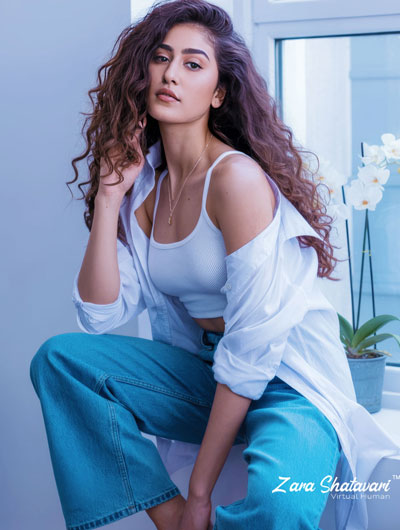
Zara Shatavari
Zara Shatavari is an AI-generated virtual influencer known in the health, lifestyle, and fashion industries. With a visible presence on Instagram and a growing audience, Zara blends wellness advocacy with aspirational style to engage followers. Created by Digimozo and Rahul Choudhry, she offers brands innovative ways to connect with consumers through empathetic storytelling and health-focused campaigns.
-
Release Date:
2024
-
Language:
English
-
Role:
Influencer
-
Country:
India
-
Industry:
Health
Background & mission
Zara Shatavari is a publicly reported AI‑generated digital creator from India who has been presented in multiple Indian and international outlets as an AI influencer focused on health, lifestyle, and fashion; journalistic coverage identifies her as a contestant and finalist in the Miss AI pageant and describes her stated mission as empowering followers with practical wellness and style guidance that blends personal advocacy and AI‑native storytelling. These facts about Zara’s stated mission and scope of content are documented in mainstream coverage that introduced her to wider audiences, which repeatedly emphasizes her positioning as a wellness‑oriented virtual persona rather than a human public figure. The coverage also reports how Zara frames herself around lived‑experience topics such as PCOS and mental health, which the press has highlighted as part of her public persona and content pillars, and which anchor her mission in health awareness and peer empathy. Journalists have noted her emphasis on daily inspiration and practical tips across health, career, and fashion topics, framing her as an AI figure that attempts to blend the intimacy of influencer communication with the scalability of a virtual avatar. Reported follower counts and platform activity have been used by the press to contextualize Zara’s reach, with multiple outlets citing a modest but visible Instagram audience at the time of reporting as an indicator of early traction. The narrative in public reporting consistently frames Zara not simply as a marketing construct but as an experiment in AI‑native influencer design intended to test audience response to virtual wellness advocacy. Because her public profile has been developed through press announcements and company listings rather than academic papers or technical whitepapers, the available public record about her mission is best read through media profiles and company statements that are cited below.
Zara’s emergence took place amid a growing global phenomenon of AI‑generated models and virtual influencers, and commentators have placed her participation in the Miss AI competition within that broader context to explain why media outlets covered her story; the Miss AI event and similar contests have been reported as early cultural tests that examine how audiences assign authenticity and trust to computer‑generated personalities. Coverage of Zara’s Miss AI participation has been used to illustrate how the pageant format is being adapted to highlight algorithmically generated aesthetics and persona design, offering a comparative backdrop to traditional beauty and influencer industries which historically center human lived experience. Journalists have discussed the novelty of organizing pageants and awards specifically for AI creators as a sign that the creative industries are experimenting with new forms of talent recognition, and Zara’s role as a finalist was frequently cited as a milestone that helped her profile cross into mainstream news cycles. The reporting around Miss AI has also explored ethical questions and industry implications—such as representation, the commodification of simulated identities, and how brand partnerships evolve when an avatar rather than a human talent is the face of a campaign—which provides a critical frame for understanding Zara’s public positioning. By noting Zara’s Miss AI placement and the attendant media commentary, the public record situates her career arc within a fast‑moving cultural conversation about synthetic media, creative authorship, and influencer economics.
Public descriptions of Zara’s day‑to‑day content mix emphasize a hybrid approach that combines wellness education, aspirational fashion imagery, and promotional activity on behalf of brands, and this mixture appears designed to demonstrate both the narrative flexibility of virtual influencers and their potential commercial utility. Reported biographical copy and interviews with her creator describe Zara as having participated in online learning about AI social strategies and analytics, which has been publicized as part of an explanation for how the character is managed and positioned across platforms. Her media profile highlights blogging and Instagram posts as primary channels for longer‑form tips and imagery respectively, and outlets have repeatedly pointed to these formats when describing how Zara engages followers and conveys her health and lifestyle messaging. Because Zara’s public presence has been introduced by company statements and press features rather than peer‑reviewed or independent academic verification, the best available documentation of her mission and content approach comes from those same journalistic and corporate sources; readers should therefore understand the mission narrative as one shaped by promotional framing and evolving media coverage rather than a comprehensively audited profile.
Creator & studio
Public records and the company’s own team pages identify Rahul Choudhry as the creative force and originator credited with Zara Shatavari’s development; corporate material lists Rahul in a leadership role at Digimozo eServices LLP and press coverage repeatedly names him as Zara’s creator, which provides a clear attribution of authorship in the public domain. Digimozo’s public team listing positions Rahul as a co‑founder and head of operations, and multiple articles that introduce Zara to readers cite Rahul’s LinkedIn‑style announcements and company profiles when quoting the origin story of the avatar. This alignment across the corporate site and press reports establishes a consistent thread: the Zara project is publicly presented as an initiative incubated within a small digital marketing and promotions agency rather than by a large entertainment studio or academic lab. That provenance matters because it frames Zara as a commercially minded creative project built to demonstrate influencer utility and monetization potential, rather than as an experimental research prototype detached from market objectives. Where available, the public statements from Digimozo emphasize client services, campaign delivery, and influencer marketing expertise—context that helps explain why Zara’s creator would position her both as a talent and as a talent manager in corporate narratives. While press reportage and the company website corroborate Rahul’s central role, these public sources do not exhaustively document every individual involved in Zara’s visual design, content production, or technical pipeline, so the wider team composition and subcontractors are not comprehensively named in the public record.
Digimozo’s public materials describe the company as a promotions and digital marketing service provider with offices listed in the Delhi‑Noida region and an emphasis on consumer and trade promotions, loyalty programs, contests, and influencer solutions; this corporate positioning is important because it clarifies the commercial context in which Zara was created and promoted. The Digimozo About and Contact pages list office locations and contact channels and frame the company as a business‑to‑brand service provider rather than a specialist VFX studio or AI research lab, which in turn explains why Zara’s public messaging leans toward influencer marketing results and brand activity. Journalistic coverage references Digimozo when explaining Zara’s organizational home and often quotes company announcements or public LinkedIn posts from Rahul to substantiate timeline claims such as Zara joining the agency in a talent management capacity. This confluence of corporate copy and press reporting demonstrates that the character’s lifecycle—from creation to brand tie‑ups—has been managed through a marketing firm’s channels, and it situates Zara within existing commercial workflows for talent activation, client brief execution, and influencer recruitment. Because Digimozo’s site emphasizes marketing outcomes rather than proprietary AI disclosures, public documentation provides useful business context while remaining limited in technical specificity.
Although press reports and company pages confirm the creator and the agency association, public documentation does not disclose comprehensive technical details about the tools, engines, or AI models used to render Zara’s imagery, generate her copy, or synthesize any voice elements, and that absence is notable for researchers attempting to evaluate the technological provenance of virtual influencers. Multiple news stories describe Zara as an AI‑generated avatar and reference learning platforms or AI strategies in the narrative, but they do not provide a systematic disclosure of software such as specific 3D pipelines, game engines, text‑to‑image models, or voice synthesis systems; this lack of detail suggests either proprietary choreography across vendor chains or a deliberate decision not to publicize every component of the creative stack. For stakeholders who require technical transparency—researchers, media ethicists, or brands undertaking compliance reviews—this means the public record is insufficient to audit whether Zara’s imagery is fully CGI, partially synthesized, or assembled via mixed‑media workflow. The publisher and company sources that reported Zara’s story therefore offer reliable attribution for creators and commercial context, but they stop short of the technical granularity that would permit independent verification of the specific AI tools used to produce her content.
Visual style, persona & content
Media descriptions and the imagery shared through Zara’s public channels depict a visual style that blends contemporary Indian aesthetics with mainstream influencer fashion cues, often described by outlets as a natural or relatable Indian look paired with modern styling choices that aim to balance approachability and aspirational appeal. Journalists have repeatedly highlighted Zara’s fashion‑forward photography and lifestyle staging when explaining how she presents wellness and beauty, which suggests the project intentionally synthesizes visual tropes familiar to Instagram audiences—clean skin, understated makeup, modern wardrobe choices—so the avatar reads as both culturally grounded and brandable across health and beauty categories. Coverage characterizes the visuals as polished but not hyperreal in every frame, implying a design intent to avoid uncanny extremes while still showing the benefits of controlled aesthetic pipelines that CGI and composite workflows enable. By combining fashion imagery with health messaging, Zara’s public visual identity is positioned to perform across lifestyle and wellness verticals, making her a flexible asset for cross‑category campaigns. The repeated press emphasis on her ‘natural Indian look’ indicates a conscious positioning decision to localize the avatar for South Asian audiences while retaining global influencer conventions that make her legible to international media.
Zara’s persona, as reported, is intentionally multifaceted: outlets describe her as a wellness advocate, a self‑identified PCOS and depression warrior, a foodie, and a travel enthusiast, which together form a narrative architecture designed to foster emotional relatability and multiple topical entry points for audience engagement. This persona construction mirrors contemporary influencer strategies where authenticity narratives—stories of lived challenge and resilience—are foregrounded to create trust and sustained attention; embedding health‑related lived experience into Zara’s backstory is therefore a strategic choice that PR and editorial coverage emphasize when explaining why audiences might emotionally invest in a synthetic persona. By publicly aligning the character with mental health and women’s health topics, the project situates Zara within social discourse that has both advocacy value and commercial resonance, but it also raises journalistic questions about how simulated narratives intersect with real health communication, which some reporters have discussed when framing Zara’s coverage. The media framing of these persona elements is consistently drawn from press releases and public profile copy, and readers should treat the empathetic narratives as curated storylines designed for engagement rather than independent clinical testimony.
Content formats attributed to Zara in the public record center on short social imagery and micro‑blogging on mainstream social platforms supplemented by longer blog posts hosted on an owned website, and several news pieces note that the character’s public materials include platform‑native posts plus editorial blog entries on health and fashion topics. Reported activity includes brand promotion, lifestyle tips, and promotional role descriptions such as an influencer marketing manager role within the company narrative; these mixed activities show how Zara has been used both as a face for external brand communications and as a case study in influencer talent management for the creator organization. Journalistic descriptions of her content strategy also mention that the project invested in online learning about AI‑driven analytics and social media optimization, which was presented as evidence of a data‑informed approach to running a virtual creator. Because the public descriptions of Zara’s content strategy come from company statements and press profiles, they illustrate a practiced marketing narrative that emphasizes multiplatform storytelling and measurable engagement goals while leaving technical production details to corporate discretion.
Campaigns, collaborations & media recognition
Press reports identify a brand partnership in which Zara has been described as a brand ambassador for a health company since mid‑2023, a collaboration point that news outlets have used to illustrate how virtual influencers are monetized and deployed in category‑relevant promotions; these reports are consistent across several outlets and provide concrete instances of Zara’s commercial activity. Coverage emphasizes that the brand ambassador role aligns with Zara’s health‑centered persona, thereby creating an obvious brand fit and providing journalists with an easy narrative about how AI avatars can be integrated into health and wellness marketing campaigns. When outlets reported this partnership they cited corporate announcements and sample promotional materials, using the collaboration as a case example of a virtual talent executing traditional influencer functions such as awareness building and endorsements. The brand collaboration has been referenced as an early demonstration of Zara’s commercial viability and as an indicator that small agencies and healthcare brands are experimenting with AI avatars for category communication. Because public documentation of campaign performance metrics is not centrally published, press coverage focuses on the strategic fit and timing of the partnership rather than on independently verified return‑on‑investment figures.
Zara’s selection as a finalist in the Miss AI competition (also framed in coverage as a World AI Creator Awards event) has been repeatedly cited by reporters as a milestone moment that increased her visibility and validated her design in a competitive field, and multiple outlets described her placement among finalists as a key moment that brought her into broader news cycles. Journalists used the Miss AI and WAICA framing to explain why an AI‑generated influencer was newsworthy, situating Zara’s recognition within a nascent institutional infrastructure that seeks to spotlight and reward synthetic creators. The pageant coverage tends to focus on cultural and industry implications—how AI aesthetics are judged, how the competition is organized, and what it means for brand selection processes—so Zara’s finalist status becomes part of a larger conversation about legitimacy and public acceptance of virtual talents. Because the competition itself is curated by organizers in the synthetic media space, press description of Zara’s placement is useful as a third‑party corroboration of recognition but should be read alongside organizers’ own materials to understand the selection criteria and reach of the award program.
Media coverage of Zara across Indian outlets has been the primary mechanism driving her public profile, with several national publications profiling her origin story, partnerships, and competition results; this concentrated press attention is central to her recognition trajectory because it provided the initial verification points that subsequent articles and briefs used as source material. The aggregation of coverage across mainstream titles helped codify key facts—creator attribution to Rahul Choudhry, association with Digimozo, brand ambassadorship, Miss AI finalist status, and platform activity—which together form the canonical public narrative. While the reportage has helped seed Zara into cultural conversations about virtual influencers, it is worth noting that the public record is built primarily from company announcements and editorial features rather than independent audits, and therefore the extant coverage offers strong validation for authorship and campaign involvement but limited transparency on metrics, technical methods, or long‑term commercial outcomes.

How Fashion Brands Are Embracing Virtual Models
In recent years, the fashion industry has moved beyond traditional photography and casting. A new wave of virtual models—computer-generated influencers and AI-crafted avatars—has entered campaigns, redefining what it means to...

Dubai Unveils $1 Million AI Film Award to Redefine Global Storytelling
Dubai, UAE – August 27, 2025 — Dubai has launched the world’s first $1 million Artificial Intelligence Film Award, a groundbreaking initiative that aims to position the city as a...

Hannah James Faces the Future With Her Digital Twin
Fashion model Hannah James, 25, has spent a decade building her career in Los Angeles. This year, she made a bold move that could define the next chapter of modeling:...
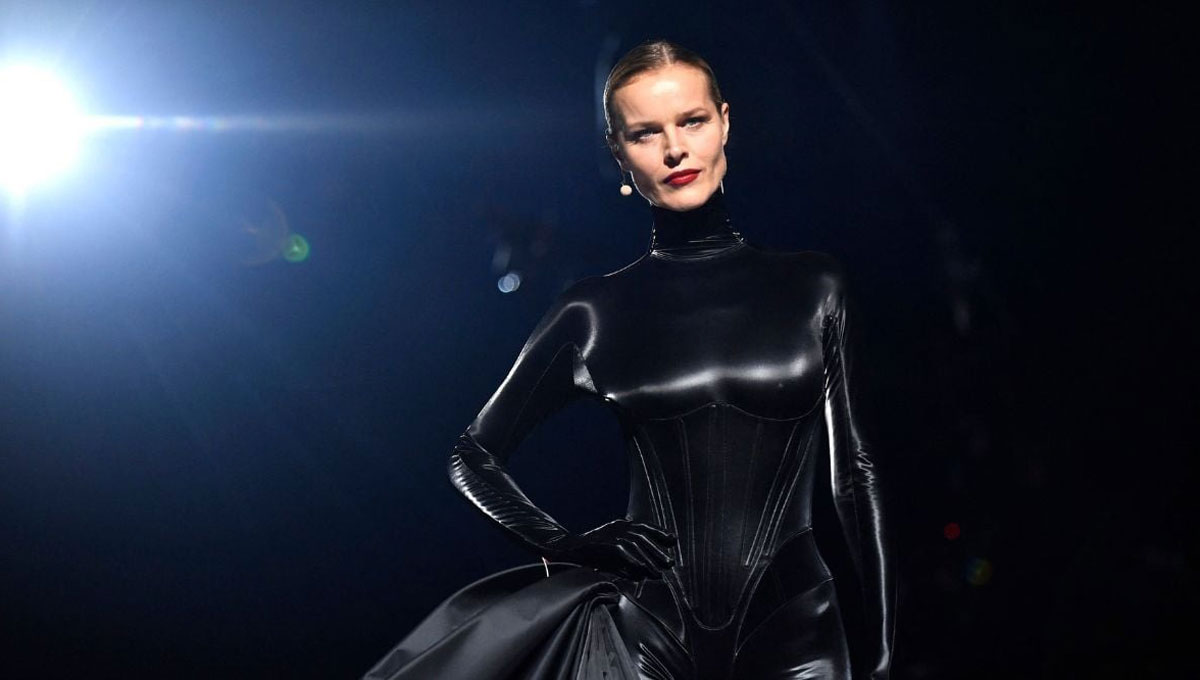
Top Celebrities and Influencers Who Created Virtual Clones of Themselves
The world of entertainment and social media is moving into a new era—an era where celebrities and influencers are no longer limited by time, space, or even their physical presence....
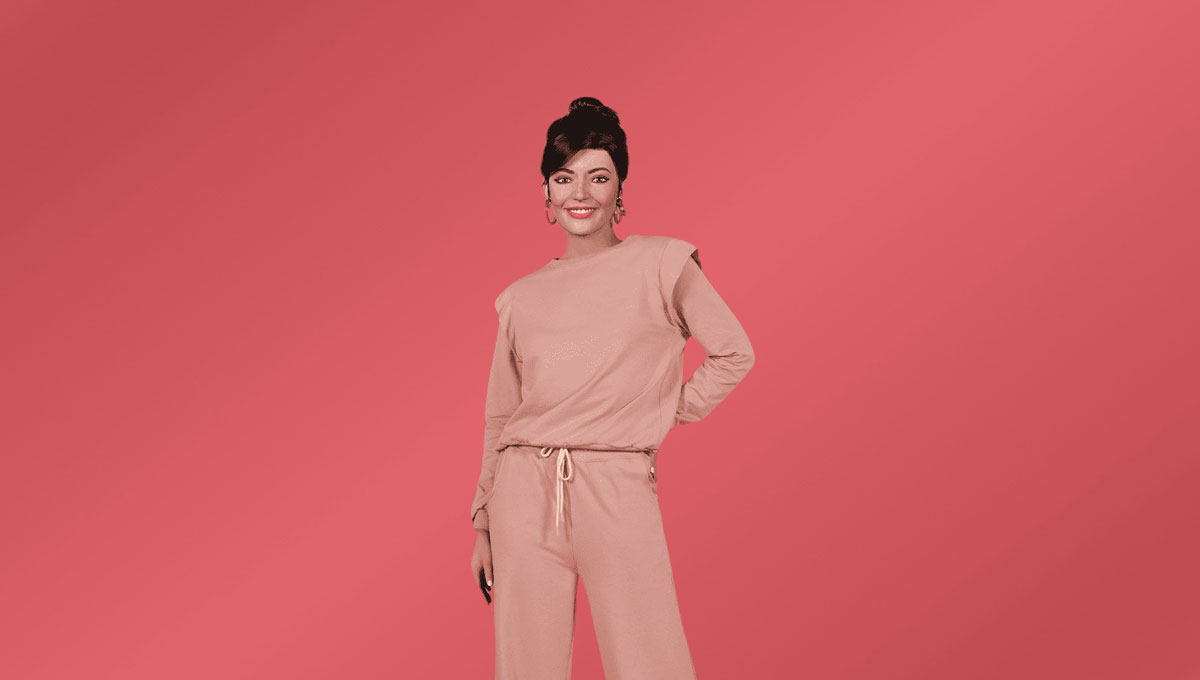
Who Is the Highest-Earning Virtual Influencer?
Lu of Magalu, Brazil’s most famous digital personality, has become the world’s top-earning virtual influencer. In 2024, she made more than 2.5 million dollars—almost 40 times the yearly income of...
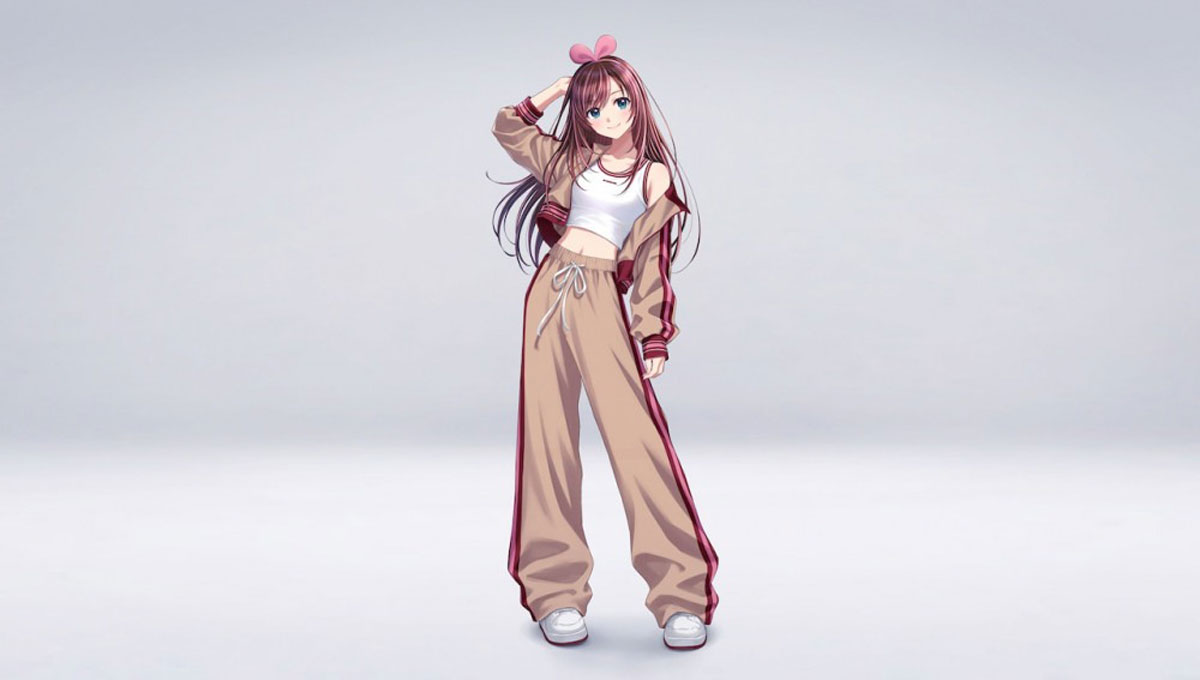
VTubers Are Shaping the Future of Entertainment
VTubers are online entertainers who use animated avatars instead of showing their real faces. These avatars can be anything from demons and witches to schoolgirls, and they’ve become a huge...
Comments