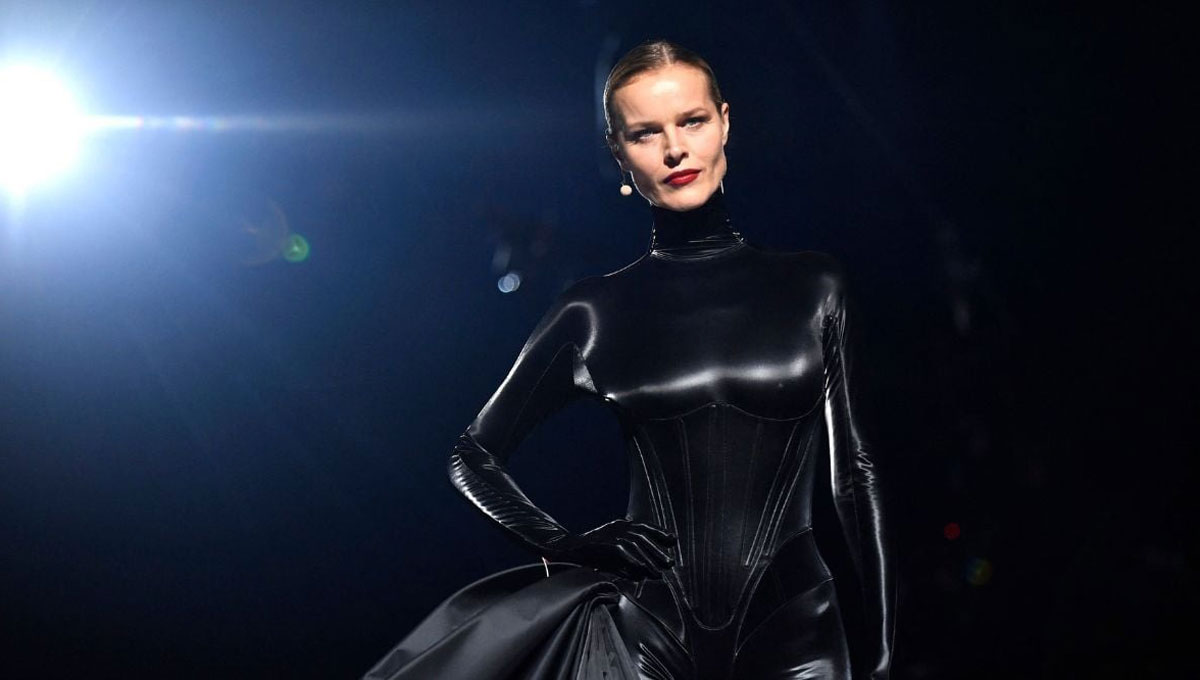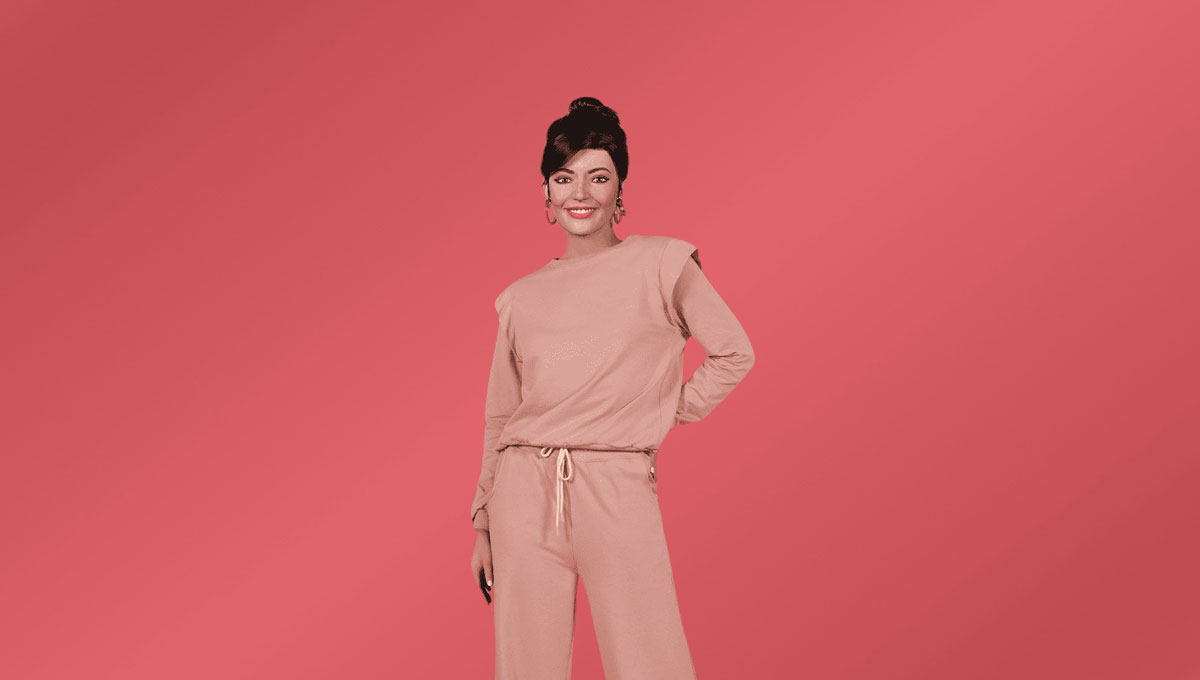
Fashion model Hannah James, 25, has spent a decade building her career in Los Angeles. This year, she made a bold move that could define the next chapter of modeling: creating a digital twin of herself. For James, the decision was not made lightly. It represents both an opportunity to stay ahead in a rapidly changing industry and a source of anxiety about what it could mean for her livelihood.
James admits she was torn when the idea of a clone was presented. “It’s beautiful, but at the same time, it’s scary,” she said. The digital replica, crafted with advanced AI, captures her features so precisely that it can be placed in ad campaigns without her physically stepping onto a set. Within hours, brands can generate polished images of “Hannah” in different outfits, poses, and locations that would normally take days of shooting.
The appeal to companies is obvious: AI models don’t get tired, they don’t require makeup artists or travel arrangements, and they can be everywhere at once. But for James and other models, this efficiency comes with a potential cost — the erosion of traditional job opportunities. If a brand can hire her digital double for a fraction of the time and money, will they still need her in person?
Her concerns echo broader debates within fashion. Critics warn that AI models could replace human talent and contribute to unrealistic beauty standards. Advocates stress that safeguards are needed to ensure models are fairly compensated for the use of their digital likenesses. Without clear contracts and protections, James fears clones could become another way for the industry to sideline real people.
Yet James is not dismissive of the technology. Instead, she hopes to shape how it’s used. By licensing her digital self, she can expand her reach without traveling constantly or enduring the grueling pace of traditional shoots. Done right, cloning could supplement her work rather than replace it. “I want to get ahead of AI before it’s too late,” she said, underscoring her determination to control her own narrative.
Her choice comes at a time when the industry is experimenting widely. Major brands have already introduced fully AI-generated models or digital twins of their existing talent. Some campaigns have made waves in Vogue and other outlets, sparking both fascination and backlash. Consumers are intrigued by the artistry but concerned about the consequences for working professionals like James.
For now, James remains optimistic that human creativity and presence cannot be entirely replicated. She believes there will always be value in the energy of an in-person photo shoot — the chemistry between a model, photographer, and crew that can’t be programmed into an algorithm. “It’s important to have a vibe on set with who you’re working with,” she explained.
Still, her digital twin is out there, ready to be hired, styled, and placed into campaigns at the click of a button. For James, the challenge is to ensure that this twin becomes an ally in her career rather than a rival. Her story captures the balancing act that every model may soon face: embracing innovation while fighting to preserve the irreplaceable human side of fashion.