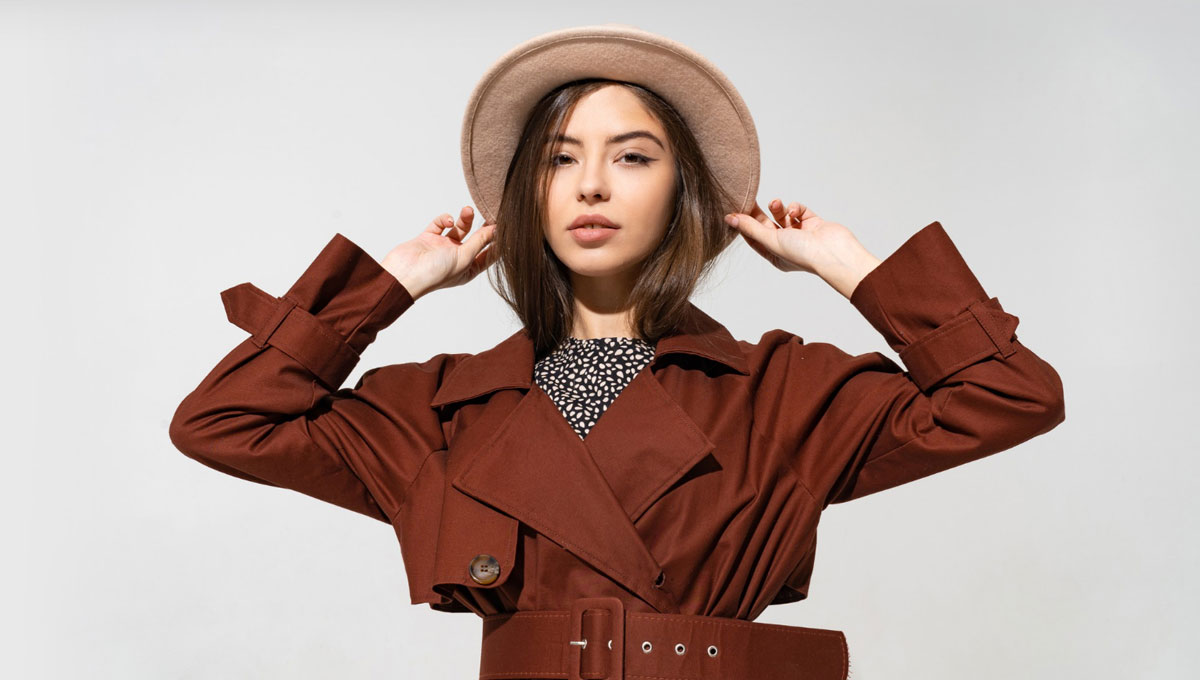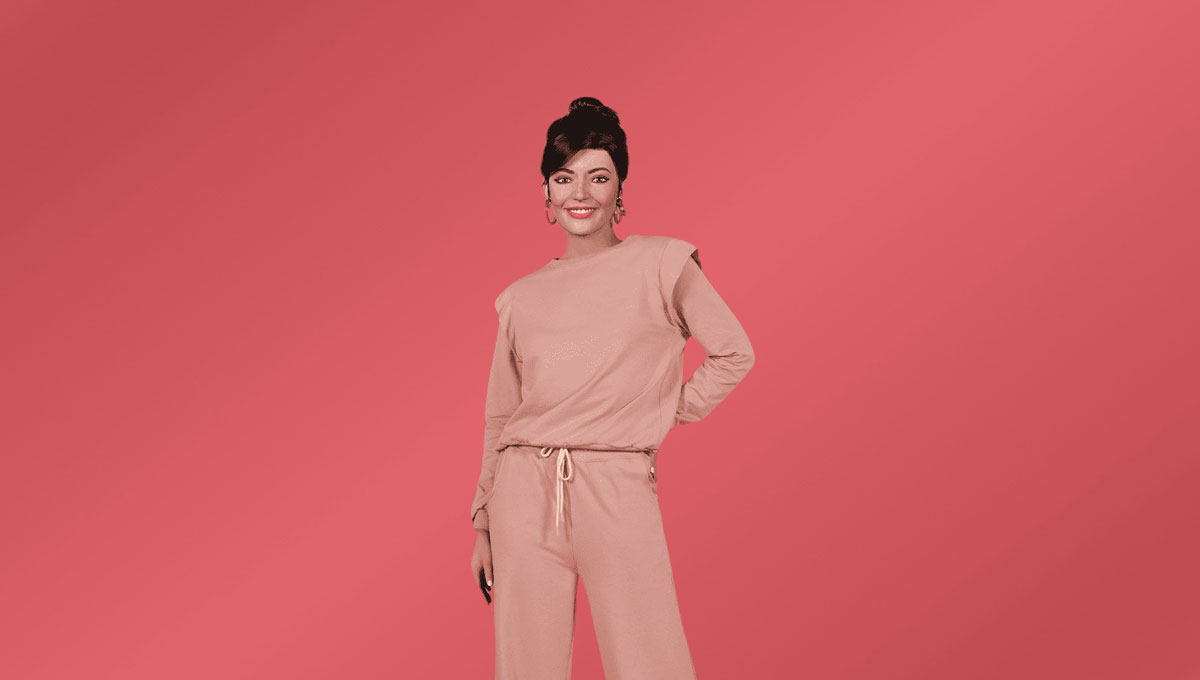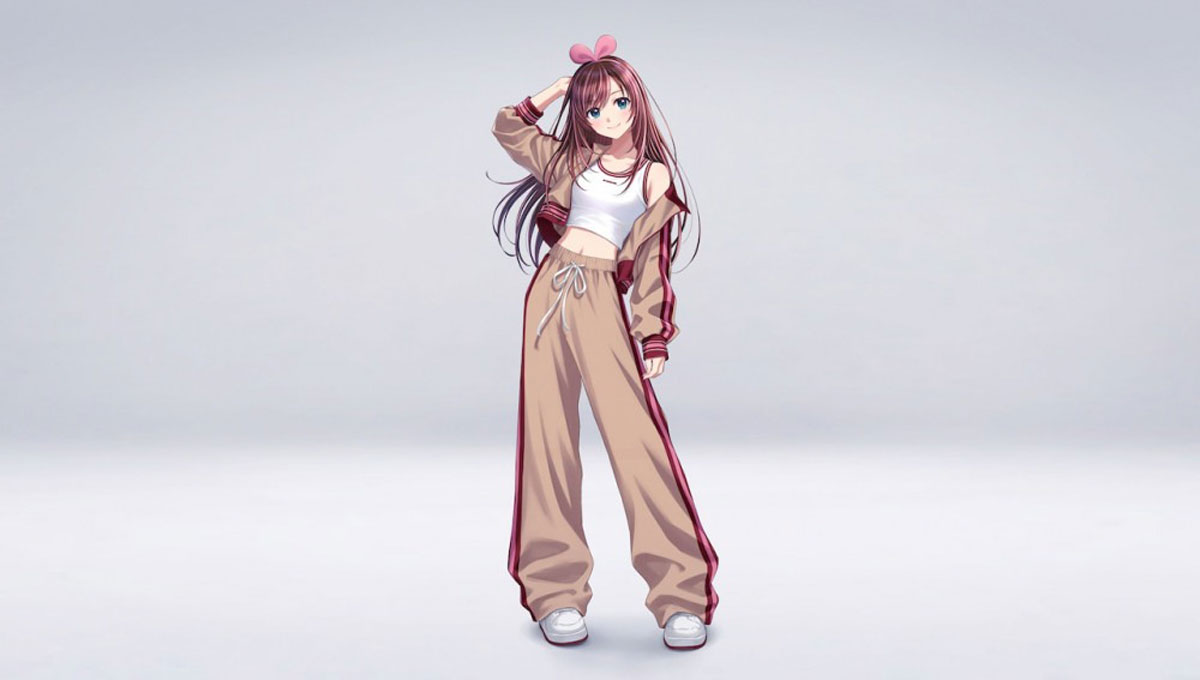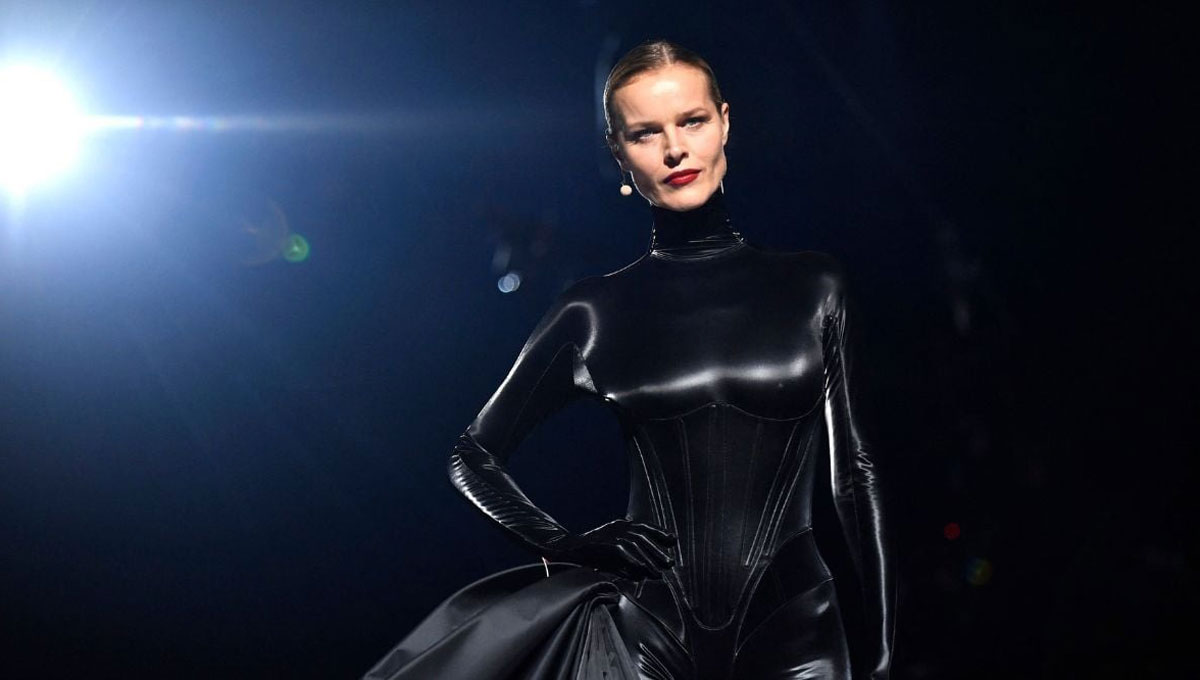
The world of entertainment and social media is moving into a new era—an era where celebrities and influencers are no longer limited by time, space, or even their physical presence. Through advanced technology, many of them now have digital twins: virtual clones that look, sound, and act like their real-life counterparts. These virtual selves can host shows, talk to fans, deliver motivational speeches, or even perform in music videos—all without the original person being on set.
This trend reflects a massive shift in how public figures scale their reach and protect their legacy. From musicians and athletes to tech leaders and wellness gurus, an increasing number of well-known names have embraced the idea of cloning themselves digitally. Some do it to stay present for fans across time zones, others to reduce the stress of constant appearances, and some to ensure their voice and message live on indefinitely.
Why Celebrities Are Turning to Virtual Clones
The pressure on celebrities and influencers has never been greater. They’re expected to produce endless streams of content, interact with fans daily, and maintain a global presence. But there are only so many hours in the day. That’s where digital twins come in.
A virtual clone can speak in multiple languages, perform live Q&A sessions, and keep fans engaged 24/7. For entertainers, this means being able to tour and interact with audiences virtually even while resting. For athletes, it means staying present for their community during off-seasons or retirement. For entrepreneurs and coaches, it means multiplying their ability to guide and inspire people without being physically available.
There’s also the factor of legacy. Many creators see their digital clones as a way to extend their influence far into the future, creating a presence that can continue to educate, entertain, or inspire long after they stop performing.
Wellness and Coaching Figures Leading the Way
Among the earliest to adopt virtual clones were well-known names in personal development.
- Deepak Chopra, the spiritual leader, created a digital version of himself capable of guiding users through meditation and answering wellness questions. His goal was to make his teachings immortal, ensuring that future generations could learn directly from him.
- Tony Robbins, one of the world’s most famous motivational speakers, launched his own virtual twin to deliver life coaching, echoing decades of his signature seminars. This clone can replicate his tone and advice, making Robbins’ presence available around the clock to thousands of fans simultaneously.
- Brendon Burchard, another influential coach, developed a digital self that can handle webinars, meetings, and personalized coaching sessions at scale, allowing him to be “everywhere at once” without physical exhaustion.
These examples highlight how the wellness and coaching sector has embraced clones as practical tools for scaling influence while keeping personal branding intact.
Musicians and Artists with Digital Selves
Entertainment icons have also stepped into the digital frontier.
- Mark Tuan, a member of the popular K-pop group GOT7, created a lifelike digital version of himself. Fans can talk to his clone, which not only answers questions but also reacts emotionally, such as smiling back when someone smiles at him.
- FKA Twigs, the British singer and dancer, experimented with a clone to push creative boundaries, using an AI version of herself to explore new ways of blending art, identity, and performance.
- Snelle, the Dutch singer-songwriter, appeared in a unique campaign where his virtual self sang personalized love songs to fans, showing how an artist’s digital twin can transform marketing into intimate experiences.
- Howie Mandel, the comedian and TV host, unveiled a clone that can appear at events, perform routines, and interact with audiences even when Mandel himself is elsewhere.
- Taryn Southern, one of the pioneers in digital media, developed a clone that hosts video content and continues her work as a performer and storyteller.
For musicians and performers, digital twins open new opportunities to connect with audiences in ways that are both personal and scalable.
Sports Icons Who Went Virtual
Athletes, too, are embracing clones to keep their presence alive off the field.
- Francis Ngannou, the MMA champion, has a clone that can converse with fans, talk about his fights, and share personal interests. It even mirrors his accent, creating a sense of authenticity.
- Carmelo Anthony, the basketball legend, has developed a virtual version of himself to engage with fans about basketball and life.
- Jack Nicklaus, one of the greatest golfers in history, has a clone that represents him in his prime years. This digital Nicklaus can retell stories of his championships, share family memories, and inspire new generations of golfers.
- Patrice Evra, the former football star, took a different approach: his virtual self acts as a travel planner, recommending trips and experiences for fans.
- Son Heung-Min, the celebrated Premier League player, also has a virtual twin that allows him to interact with supporters on a more personal level.
These athletes prove that clones are not just about marketing—they’re also about education, storytelling, and keeping sporting legends alive for younger audiences.
Tech Leaders and Entrepreneurs Joining In
The business world hasn’t been left behind.
- Reid Hoffman, co-founder of LinkedIn, built a digital version of himself capable of holding Q&A sessions, offering career advice, and summarizing his decades of knowledge. His clone speaks in his own voice and appears in video, giving the impression of Hoffman being personally present.
- Calum Worthy, the actor and entrepreneur, created a virtual self that communicates in over 40 languages, designed to engage with fans and manage global interactions without barriers.
- Julia McCoy, a content creator and educator, turned to a digital twin after a personal health struggle, enabling her to keep creating tutorials and teaching content through a lifelike avatar while she focused on recovery.
For business leaders and educators, the benefit is clear: digital twins extend their influence, preserve their knowledge, and help maintain productivity in ways a single human could never manage.
Fashion and Modeling: A Digital Future
The fashion world has been quick to see the potential of digital twins.
- Eva Herzigová, the supermodel, now has a virtual version of herself authorized for brand campaigns and photoshoots. This approach reduces the need for constant travel while maintaining her iconic presence.
- In large campaigns, brands have begun creating dozens of digital models to feature in advertisements. For example, thirty different professional models have had their likeness replicated for virtual shoots, ensuring consistency across campaigns without requiring them to be physically present.
- Mathilda Gvarliani and Hannah James, both working models, also have digital selves featured in commercial projects. While these clones provide new opportunities, they have raised debates within the fashion industry about the impact on jobs and the authenticity of brand imagery.
For models, digital twins are both a safeguard—ensuring their image continues to appear even when they’re unavailable—and a challenge, forcing the industry to rethink what it means to “show up” for a photoshoot.
Bringing the Dead Back to Life
Another striking use of virtual cloning is the resurrection of icons long gone.
- James Dean, who died in 1955, was digitally recreated to star in the film Back to Eden. His clone was designed to mimic how he might have acted in modern cinema, sparking discussions on artistic ethics.
- James Earl Jones, the legendary voice of Darth Vader, had his voice cloned so that new generations of fans could continue hearing him in future projects, even after his retirement.
- Marilyn Monroe has been reimagined as a digital character for potential modern campaigns and media appearances, offering a glimpse into how brands might reinterpret historic stars for today’s audiences.
These cases show the power of digital technology to extend a legacy beyond death, but they also raise ethical questions: Who owns a person’s image after they pass away? And is it respectful to bring them back in this way?
Influencers and Virtual Clones in Livestreams
In parts of Asia, especially China, virtual clones are already part of everyday content.
- Chen Yiru, a Taiwanese livestreamer, used an AI twin to stream himself eating chicken feet for 15 hours straight. The audience eventually discovered that the feat was partly performed by his virtual self.
- Luo Yonghao, a well-known internet personality, pushed the concept further by appearing as two digital clones at once in a six-hour livestream. This dual performance attracted over 13 million viewers and generated millions in sales.
These examples highlight how clones can turn livestreams into continuous, high-revenue events without requiring human hosts to endure endless hours of screen time.
Meta’s Celebrity Chatbots
A particularly bold experiment has come from social media, where celebrity-inspired digital characters have been introduced on platforms like Instagram. These aren’t simple fan pages but fully interactive chatbots that look and act like well-known figures:
- Kendall Jenner as “Billie,” an older sister-style character who interacts with fans as a confidant.
- Charli D’Amelio as “Coco,” a dance-loving twin reflecting her TikTok fame.
- Paris Hilton as “Amber,” cast in the role of a detective character.
- Snoop Dogg, reimagined as a dungeon master storyteller.
- Tom Brady, represented as a sports host named “Bru.”
- Naomi Osaka, presented as “Tamika,” an anime enthusiast engaging fans with shared cultural interests.
These digital personalities blur the line between celebrity branding and fictional storytelling, creating new ways for fans to engage with their favorite stars while offering celebrities a chance to multiply their presence.
The Big Picture: Ethics and Opportunities
The rise of virtual clones comes with both excitement and caution. On the positive side, clones allow celebrities to scale their influence, engage audiences more deeply, and preserve their voices and teachings for the future. Fans can interact with their idols in ways that were never possible before, whether it’s through one-on-one conversations, personalized music, or even travel recommendations.
But there are also serious concerns. Critics point out the risk of unauthorized clones, deepfake misuse, and the potential for jobs to disappear in industries like modeling and entertainment. Some actors and public figures have publicly warned about clones being used without consent, highlighting the need for legal protections and ethical standards.
At the same time, professional associations are starting to negotiate contracts around digital likeness, ensuring that celebrities maintain control over their virtual selves. Transparency is becoming key—audiences want to know whether they’re interacting with a real human or a clone.
Looking Ahead
By the end of this decade, analysts predict the global market for digital twins could be worth hundreds of billions of dollars. As the technology becomes more accessible, more celebrities, influencers, and everyday creators are likely to adopt their own virtual selves.
Imagine a future where fans can book a one-on-one conversation with their favorite singer’s digital twin, or where athletes’ clones serve as lifelong mentors long after their playing days are over. For families, spiritual leaders, and educators, clones may ensure that wisdom and guidance never fade away.
The opportunities are extraordinary, but so are the responsibilities. Celebrities and their teams must balance innovation with integrity, ensuring that clones remain true to their original selves and respectful of their legacies.
Conclusion
From Deepak Chopra’s spiritual guide to Mark Tuan’s fan-interactive self, from James Dean’s Hollywood revival to Meta’s celebrity chatbots, the age of digital twins has arrived. Celebrities and influencers are no longer bound by time or physical presence; they can exist in two places at once, entertain audiences day and night, and even outlive their human lifespans.
Whether you see it as a thrilling leap forward or a risky experiment, one thing is clear: virtual clones are reshaping the very definition of fame, influence, and human creativity.