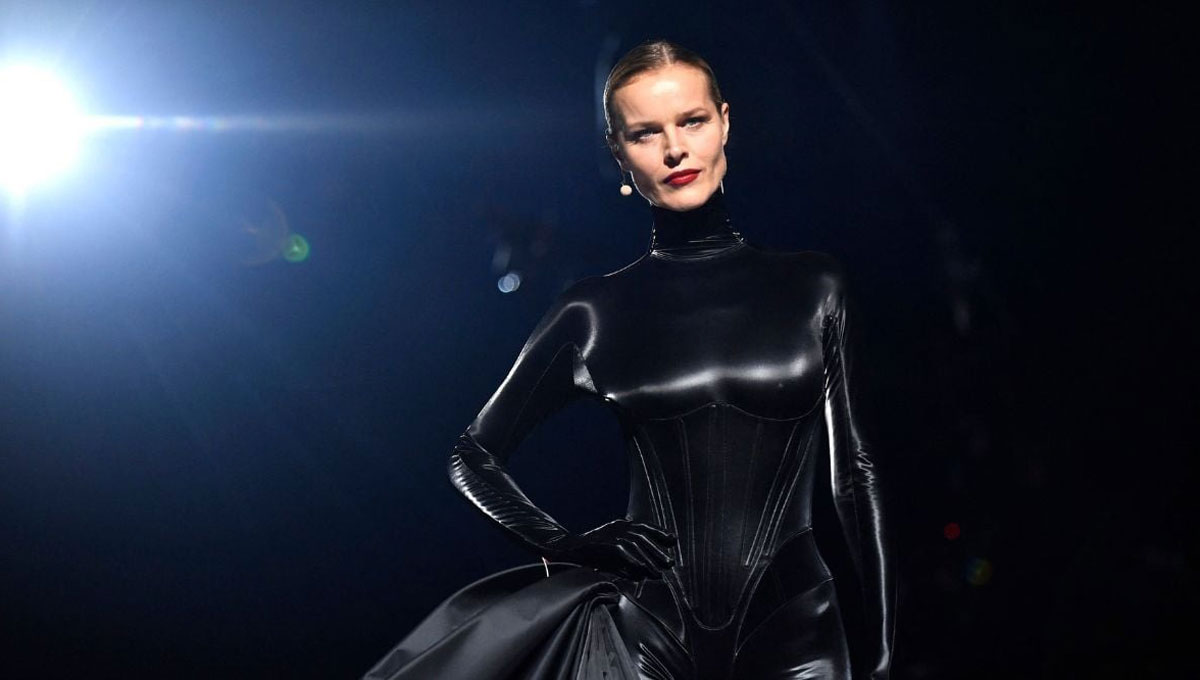
Lu of Magalu, Brazil’s most famous digital personality, has become the world’s top-earning virtual influencer. In 2024, she made more than 2.5 million dollars—almost 40 times the yearly income of an average human influencer.
Lu has built a huge fan base, with 8 million followers on Instagram and 7.4 million on TikTok. Backed by a team of 3D artists, programmers, and marketers, she turned from a simple brand mascot into a cultural icon. Last year alone, she completed 74 sponsored posts, earning about 34,000 dollars per post, which added up to over 2.5 million dollars in total. For comparison, the average human influencer makes just over 65,000 dollars a year.
From Mascot to Superstar
Lu’s journey started in 2003 as the digital voice of Brazilian retailer Magazine Luiza. In 2009, she appeared on YouTube in unboxing videos and reviews. Her big break came in 2022 after teaming up with the global PR agency Ogilvy. Later, she starred in a music video with Brazilian pop star Anitta, where every outfit she wore sold out instantly on Magalu’s shopping app.
More Than a Marketing Tool
Magalu executives stress that Lu is not just an advertising character. “When she takes a stand on issues like domestic abuse or LGBT rights, people listen,” said Aline Izo, the company’s senior marketing manager. Pedro Alvim, who leads Magalu’s content and social media, added that her success comes from being humanized: “Behind every image is a story that builds her character.”
Virtual Influencer Market
Lu isn’t alone in the virtual influencer boom. Other big names include:
- Nobody Sausage, with over 22 million TikTok followers, charging around 33,000 dollars per post.
- Barbie, who earns about 15,000 dollars per post with 3.5 million Instagram followers.
- Lil Miquela, one of the earliest virtual stars, who earns between 70,000 dollars a year in some reports and up to 2 million dollars annually in others.
Despite these successes, most virtual influencers make much less. On average, an AI influencer post is valued at around 1,700 dollars, while human influencers average closer to 78,000 dollars per post.
A Growing Industry
The global virtual influencer market is expanding fast. Valued at 4.6 billion dollars in 2023, it is projected to grow to nearly 28.5 billion dollars by 2030. Still, experts warn about risks, including low engagement compared to humans and concerns over authenticity.
The Bottom Line
Lu of Magalu has risen far above her peers, proving that virtual influencers can be more than digital dolls. By mixing entertainment, activism, and marketing power, she has become Brazil’s digital superstar—and the world’s most profitable virtual influencer.